
Options to Consider for Your Garage Door Installation
A garage door is one of the most frequently used moving components in a home, yet it is often overlooked until a problem arises. Beyond providing convenient access, it plays a critical role in security, energy efficiency, curb appeal, and daily functionality. Because the garage door system involves heavy materials, high-tension springs, and complex mechanical parts, homeowners benefit from understanding how it works and how to care for it properly. A well-informed approach helps reduce unexpected repairs, improves safety, and ensure long-term performance. This guide offers homeowners a comprehensive overview of what to consider before installing a garage door, how to maintain it over time, and when professional service becomes essential.
Understanding Garage Door Systems and Components
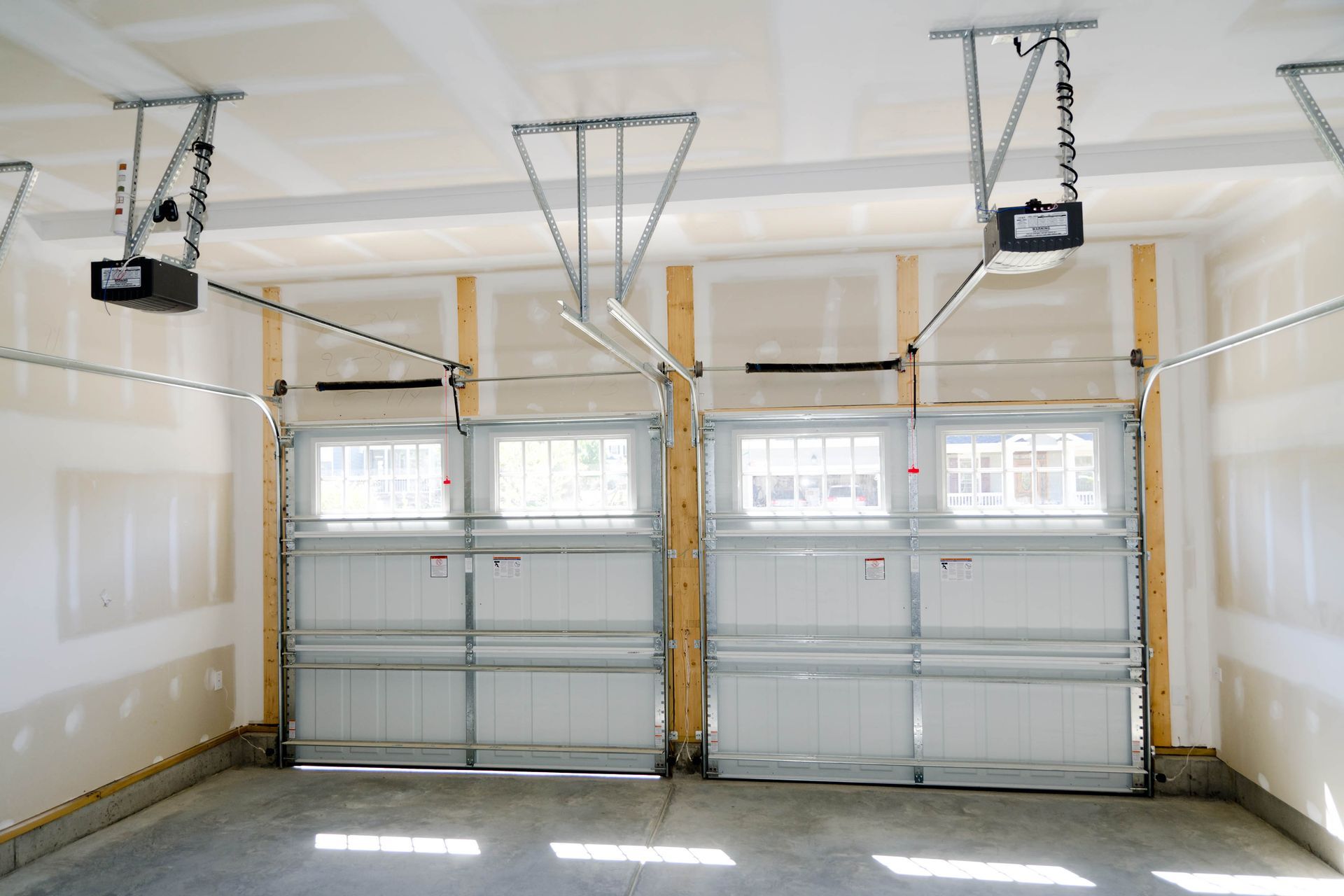
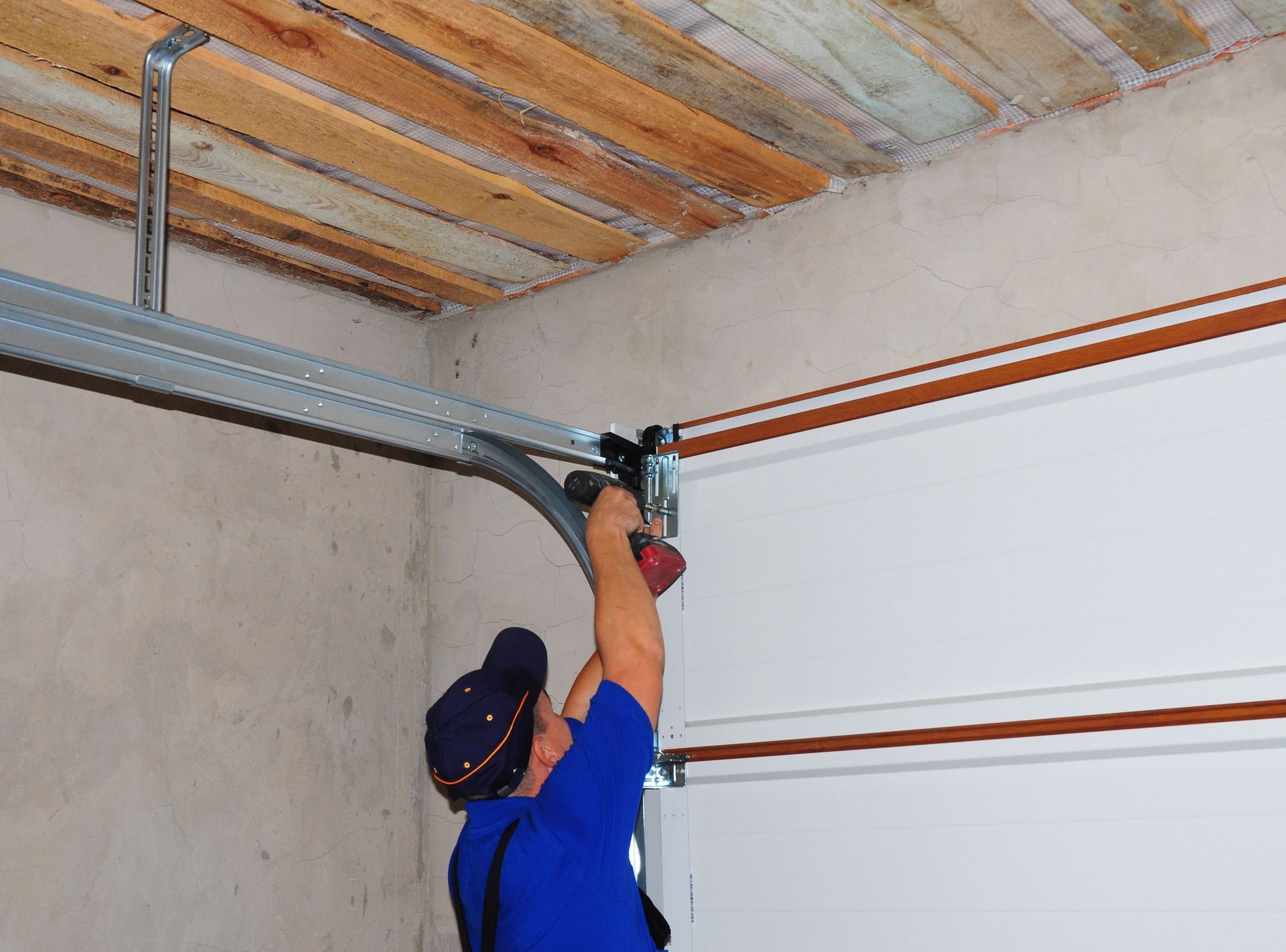
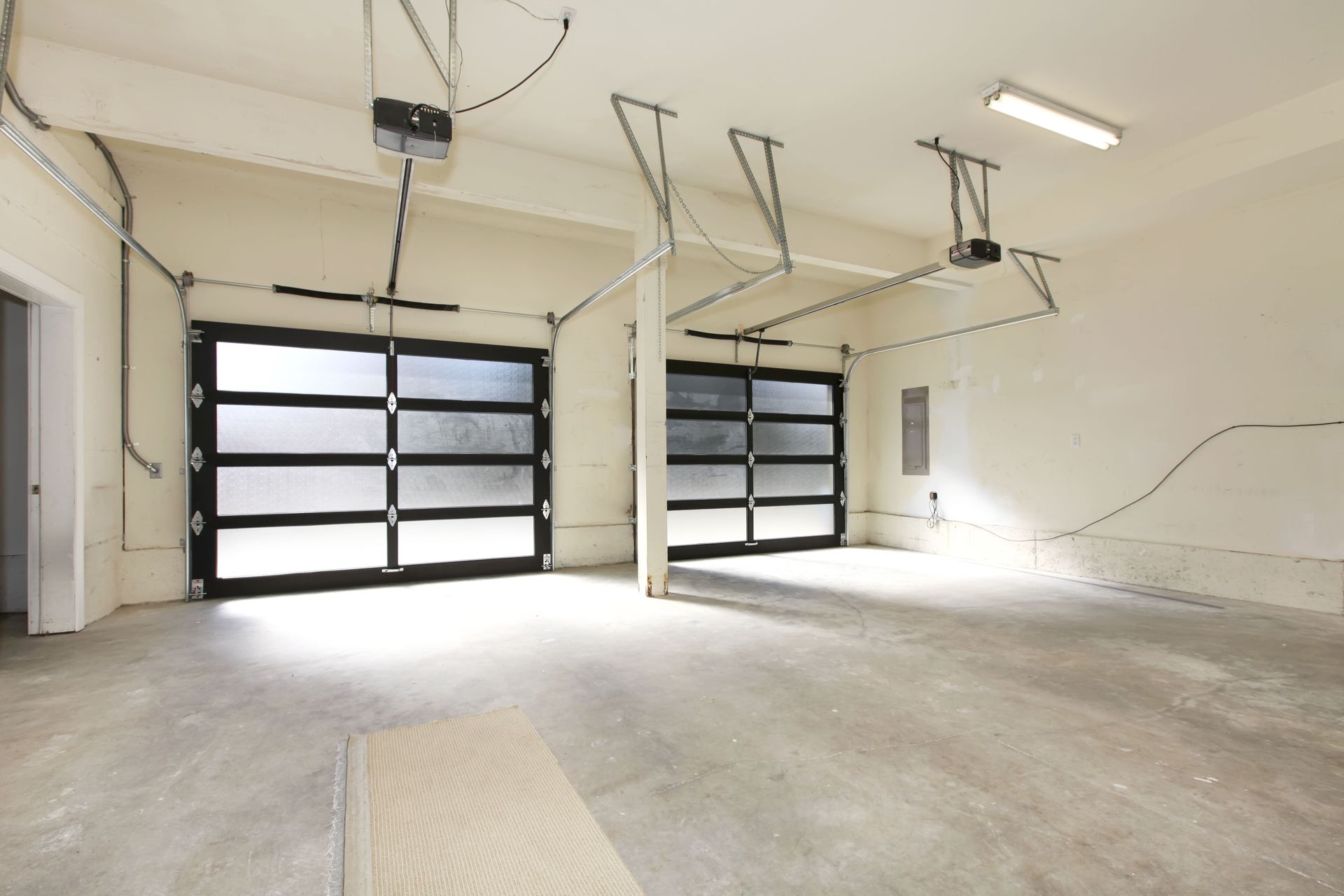
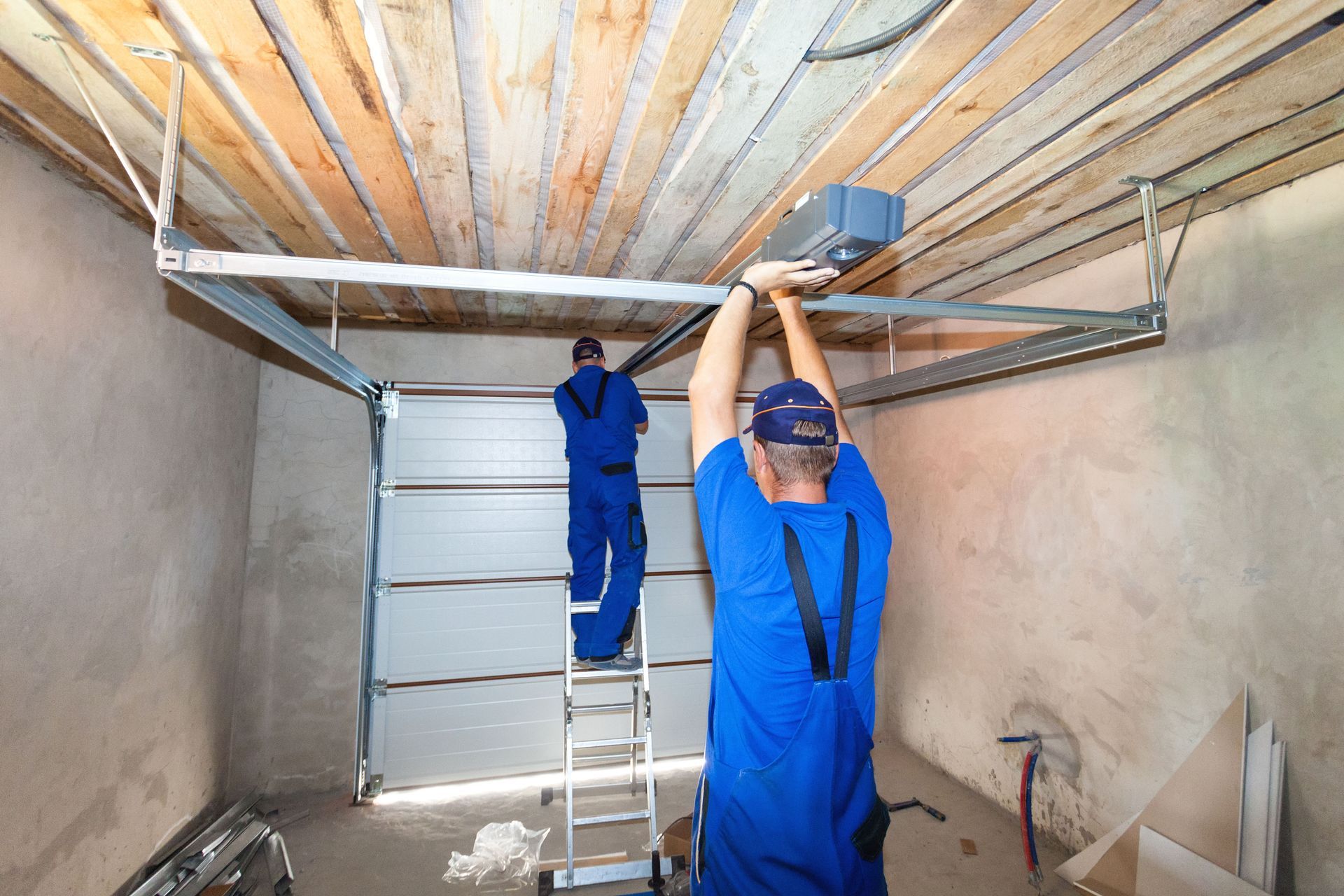
Before exploring garage door installation, it is important to understand the primary components that make up the system. A standard garage door includes panels or sections, tracks, rollers, torsion or extension springs, cables, hinges, and an automatic opener. Each part works together to lift and lower a door that can weigh several hundred pounds, making precision and balance critical for safe operation. Even a minor issue with one component can place added strain on the rest of the system, increasing the risk of malfunction or premature wear.
The door panels themselves may be constructed from steel, aluminum, wood, composite materials, or fiberglass. Each material offers different advantages related to durability, insulation, and appearance. Tracks guide the door’s movement, while rollers reduce friction during operation. Springs counterbalance the door’s weight, allowing it to open smoothly with minimal force. Because springs are under extreme tension, they are among the most dangerous components to adjust without proper training, and improper handling can result in serious injury or damage.
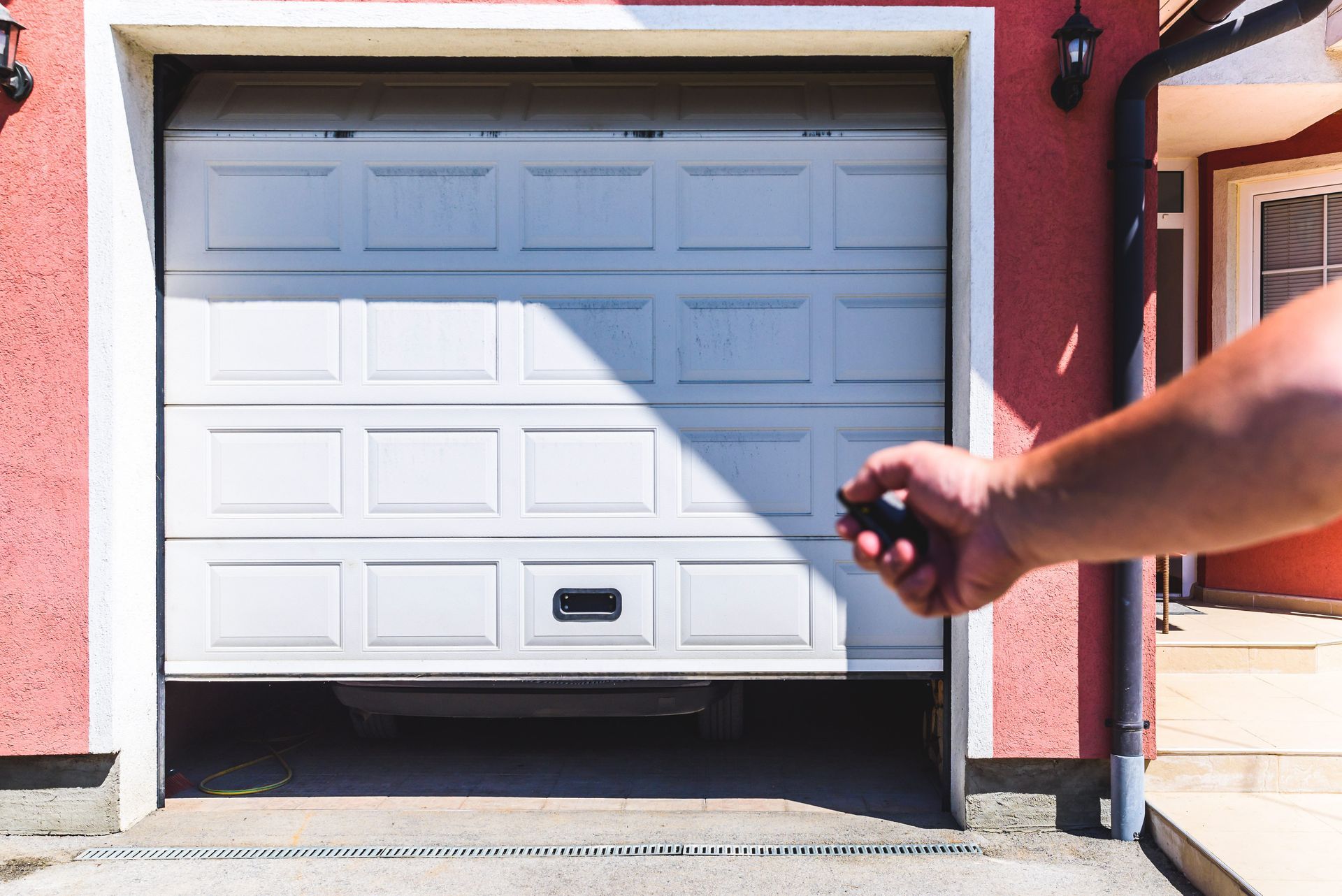
The garage door opener adds convenience but also introduces additional mechanical and electronic elements. Motors, sensors, drive mechanisms, and control systems must function correctly to ensure safe and reliable use. Modern openers often include safety features, such as automatic reversing systems and motion sensors, which help prevent accidents. Understanding how these components interact allows homeowners to recognize early warning signs of wear, respond promptly to performance changes, and appreciate the complexity involved in proper service and long-term care.
Planning for Proper Installation Decisions
Careful planning is essential when preparing for garage door installation, as the choices made during this phase affect performance, maintenance needs, and long-term satisfaction. Homeowners should begin by evaluating how the garage is used. A garage that doubles as a workspace, gym, or storage area may benefit from an insulated door to help regulate temperature, reduce outside noise, and improve year-round comfort. Climate considerations, such as extreme heat, cold, humidity, or frequent storms, also influence material selection, insulation ratings, and weather-sealing requirements that protect the interior space.
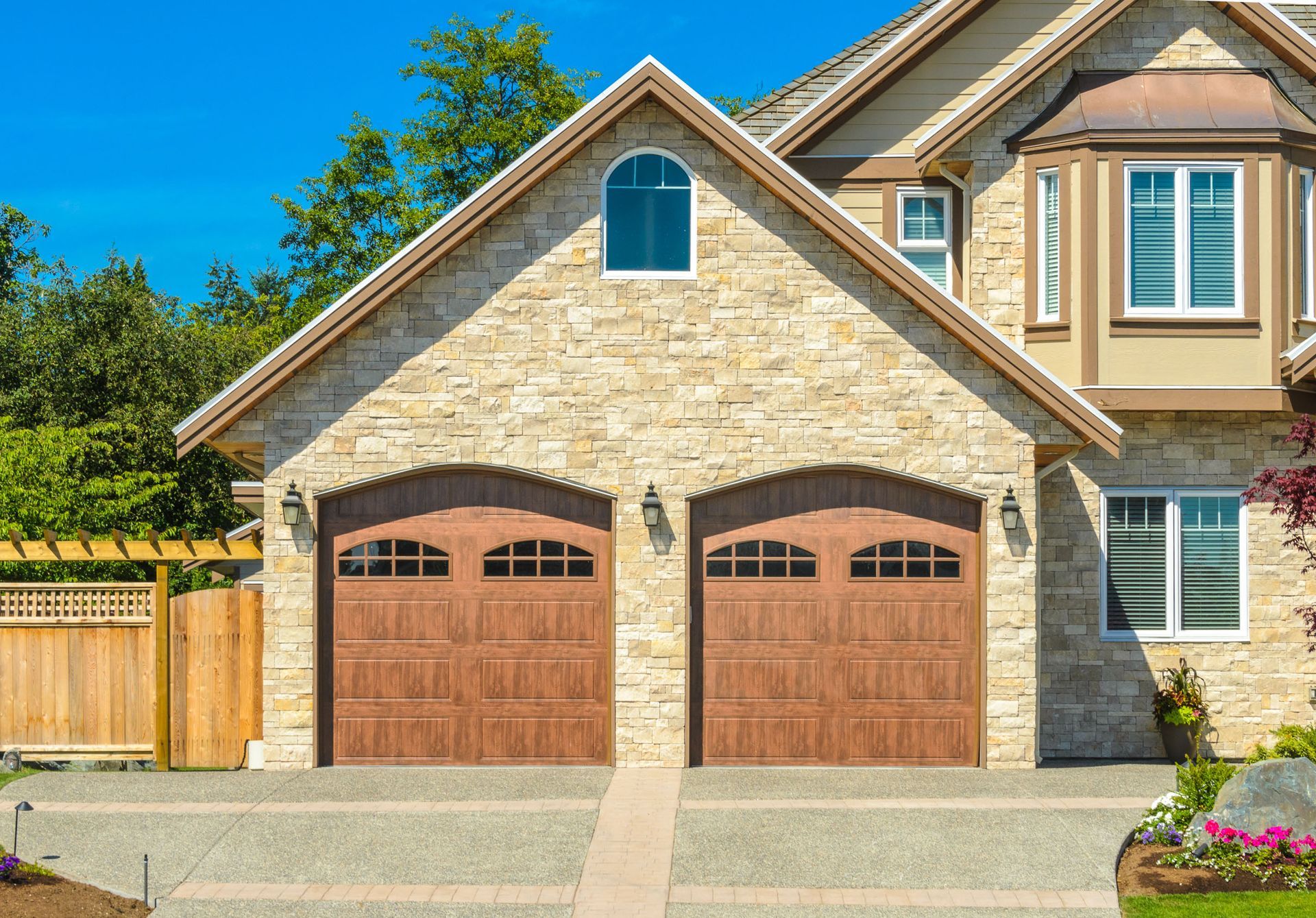
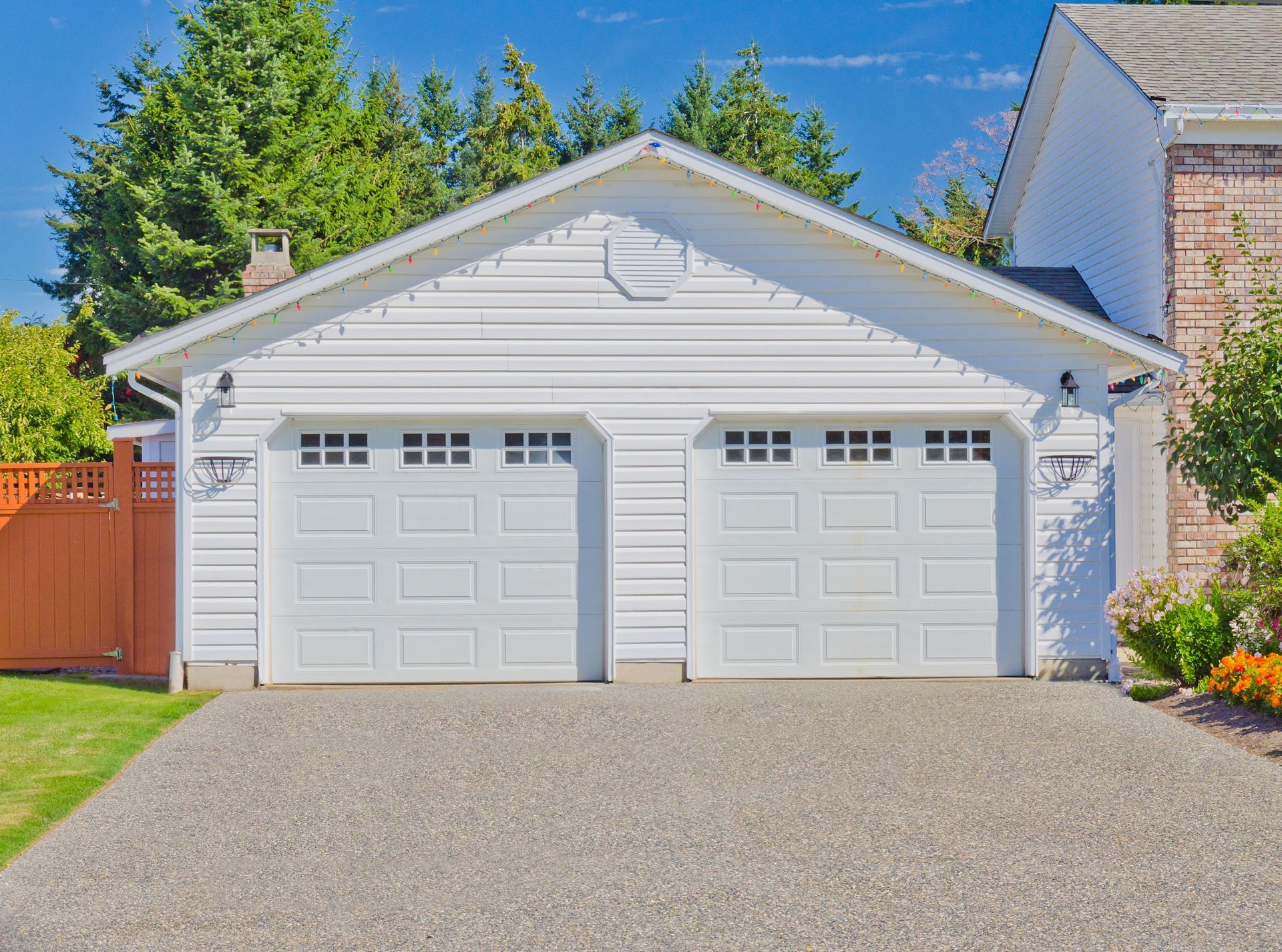
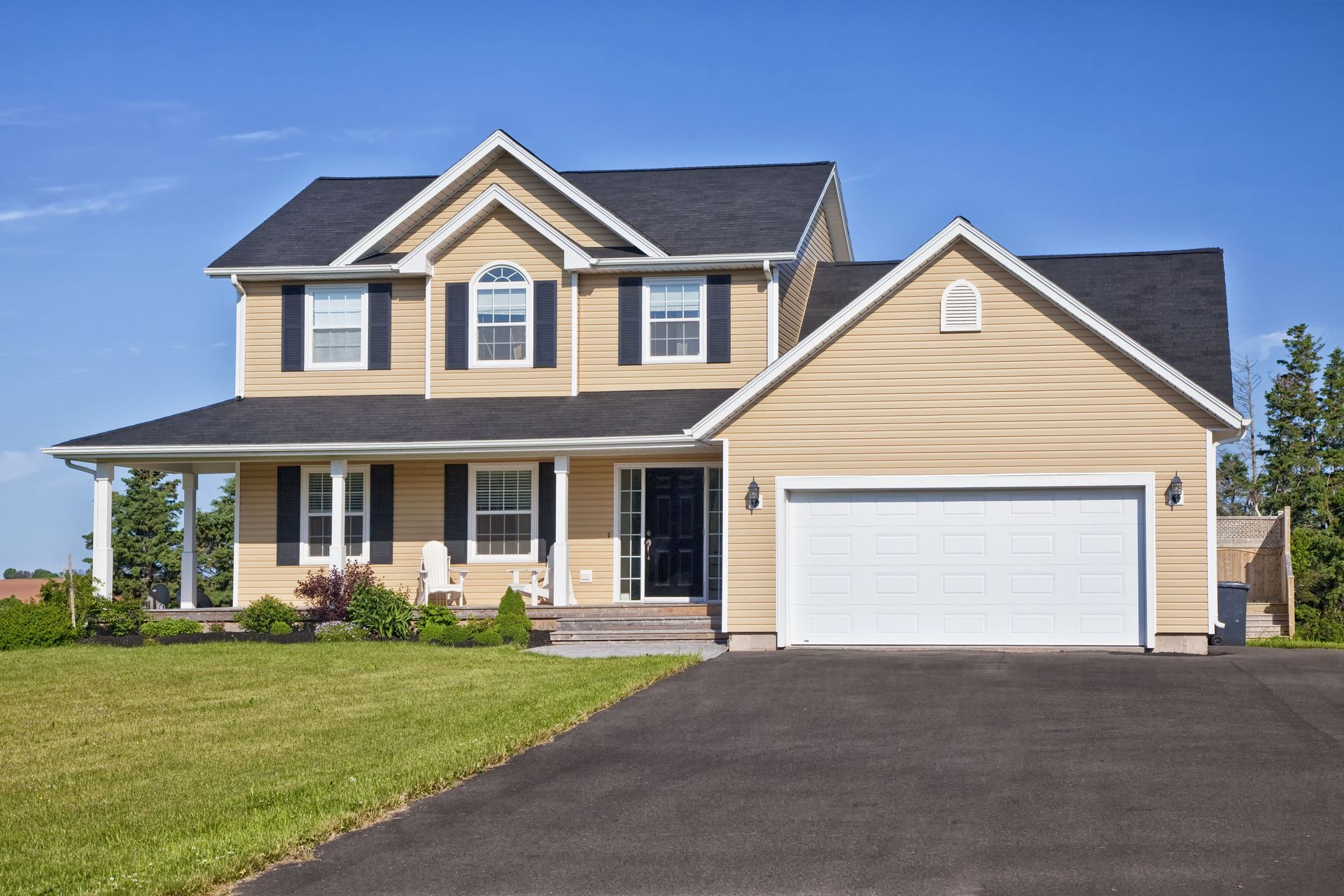
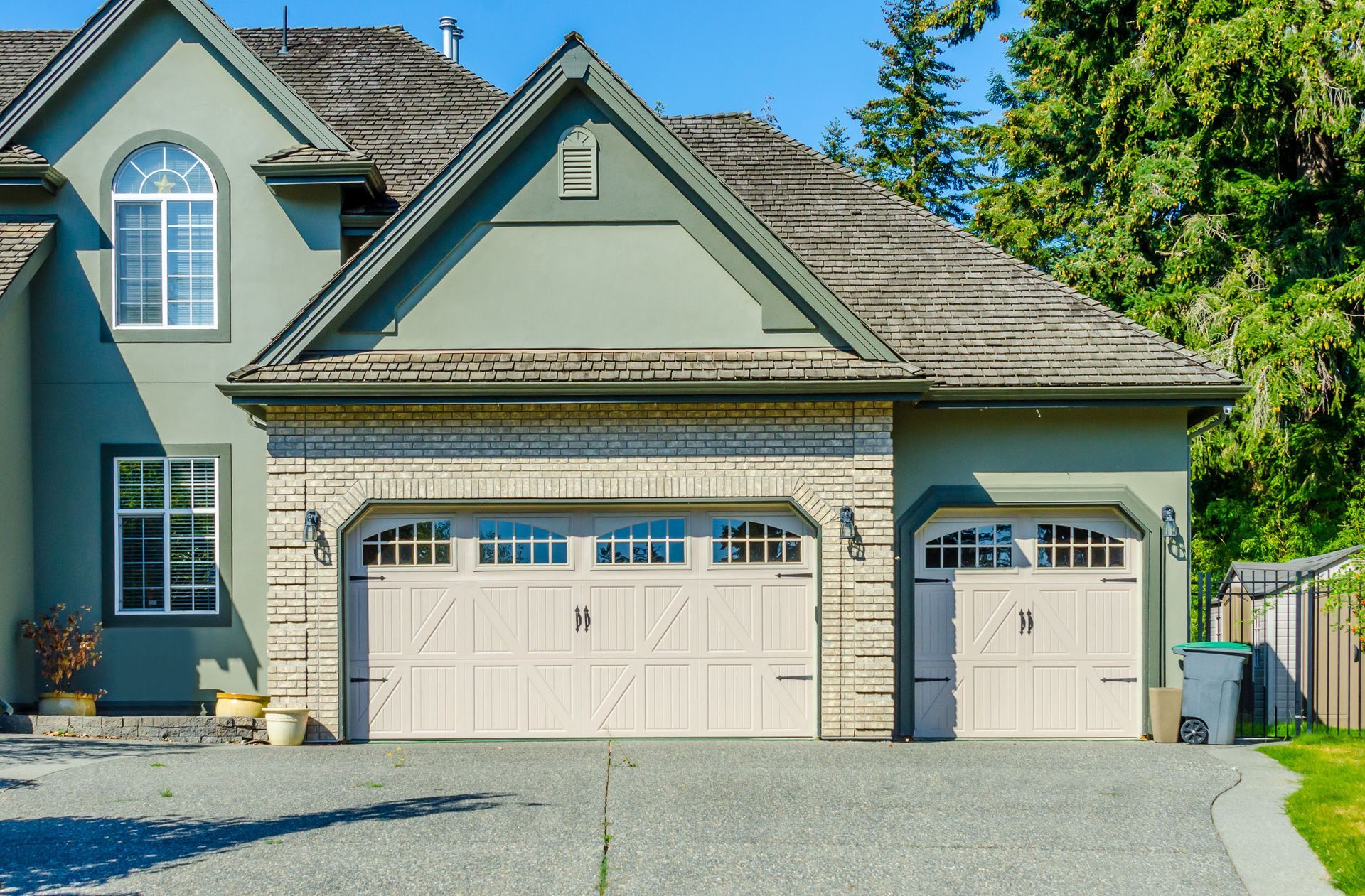
Door style and design should align with the home’s architecture. Traditional raised-panel doors, modern flush designs, and carriage-style options all offer distinct aesthetic advantages. Color selection, window placement, and decorative hardware can enhance curb appeal while allowing natural light into the garage without compromising privacy.
Accurate measurements are another critical factor. The door opening, headroom, side room, and backroom space must all be assessed to ensure compatibility with the chosen door and opener. Improper measurements can lead to operational problems, premature wear, and safety risks. Because of these variables, many homeowners rely on trained professionals to evaluate site conditions, account for structural limitations, and recommend solutions that balance appearance, performance, and long-term reliability.
Maintaining Performance Through Routine Care
Routine maintenance plays a vital role in preserving the results of a quality garage door installation. Regular inspections help identify small issues before they escalate into costly repairs or safety hazards. Homeowners can begin by visually examining cables, springs, rollers, and hinges for signs of fraying, rust, or excessive wear. Any damaged components should be addressed promptly by a qualified technician.
Lubrication is another essential maintenance task. Applying appropriate lubricant to rollers, hinges, and tracks reduces friction and minimizes strain on the opener. However, tracks themselves should be kept clean rather than lubricated, as grease can attract debris and interfere with smooth movement. Tightening loose bolts and brackets during routine checks also helps maintain proper alignment and structural stability.
Testing the door’s balance is also important. A properly balanced door should remain in place when manually lifted halfway. If it moves up or down on its own, the springs may be improperly adjusted. Weather seals along the bottom and sides of the door should be inspected for cracks or gaps, as worn seals can allow moisture, pests, and drafts into the garage. Additionally, safety features such as auto-reverse mechanisms and photo-eye sensors should be tested regularly to ensure the door responds correctly to obstructions. Consistent maintenance not only extends the life of the system but also protects household members, vehicles, and stored belongings from potential accidents and avoidable damage.
Recognizing When Repairs or Upgrades Are Needed
Even with diligent maintenance, garage door systems experience wear over time. Homeowners should be alert to warning signs that indicate the need for repair or upgrades following an earlier garage door installation. Unusual noises, such as grinding or squealing, often signal worn rollers, loose hardware, or inadequate lubrication. Slow or uneven movement may point to spring issues, track misalignment, or accumulating debris that interferes with smooth operation. Ignoring these early indicators can place additional stress on the entire system and increase the likelihood of sudden failure.
The garage door opener is another component that requires attention. According to Forbes, the typical garage door opener has an expected lifespan of about 10 years under normal use. As openers age, they may struggle to lift the door efficiently, respond inconsistently to controls, or lack modern safety and security features. Electrical issues, delayed response times, and frequent resets are common signs that replacement may be necessary. Upgrading to a newer model can improve reliability, reduce operational noise, and enhance compatibility with smart home technology.
Cosmetic damage, including dents, warping, or peeling finishes, can also affect performance, particularly if panels no longer align correctly within the tracks. Exposure to moisture, temperature fluctuations, and accidental impacts can gradually weaken materials. In some cases, replacing individual panels restores both appearance and function; in others, a full system upgrade may be more cost-effective. Understanding when to repair versus replace helps homeowners make informed decisions that balance safety, long-term costs, and everyday convenience.
Protecting Safety and Long-Term Value
Safety is a central consideration throughout the life of a garage door system, from initial garage door installation through years of daily use. Because garage doors are heavy and operate under tension, improper handling can lead to serious injury. Tasks involving spring adjustment, cable replacement, or structural modifications should always be performed by trained professionals equipped with the proper tools and experience.
Long-term value is closely tied to professional service and proactive care. A well-maintained garage door contributes to energy efficiency, protects stored belongings, and enhances overall home security. It also plays a role in resale value, as prospective buyers often view the garage door as a reflection of the home’s overall condition.
Establishing a relationship with a reliable service provider ensures consistent inspections, timely repairs, and expert guidance when upgrades are needed. With informed planning, routine maintenance, and professional support, homeowners can enjoy reliable performance and peace of mind for years to come. Call Fred C. Johnson Co., INC today to schedule your next garage door installation service!





Share On: