
What Frequent Garage Door Use Means for Maintenance Needs
For many modern households, the garage door has officially replaced the front door as the primary entrance to the home. We cycle the door open and closed to park our cars, retrieve bicycles, grab garden tools, and let our pets stretch their legs. This constant activity transforms a heavy piece of moving machinery into the hardest-working motorized asset on your entire property. Recognizing how this daily operation impacts your system lets you schedule essential maintenance with a trusted local garage door service before an unexpected breakdown leaves your vehicle trapped inside.
Calculating the True Strain of Everyday Operation
Every time you press your wall button or remote control, your garage door undergoes a complete operational cycle. This process involves immense physical tension, mechanical friction, and structural movement that gradually wears down even the highest-quality components. Many homeowners underestimate how many times their system operates in a single week.
According to LinkedIn, a typical citizen in the United States cycles their automatic garage door between three and five times each day. When you multiply those daily actions across an entire year, a single household accumulates well over 1,000 distinct cycles. For large families with multiple drivers, teenagers, and active outdoor hobbies, that number can easily double or triple. This high frequency means your mechanical parts reach their engineered expiration dates much faster than you might expect, underscoring the critical need for a dependable local garage door service to monitor wear and tear.
Understanding the Lifespan of Your Torsion Springs
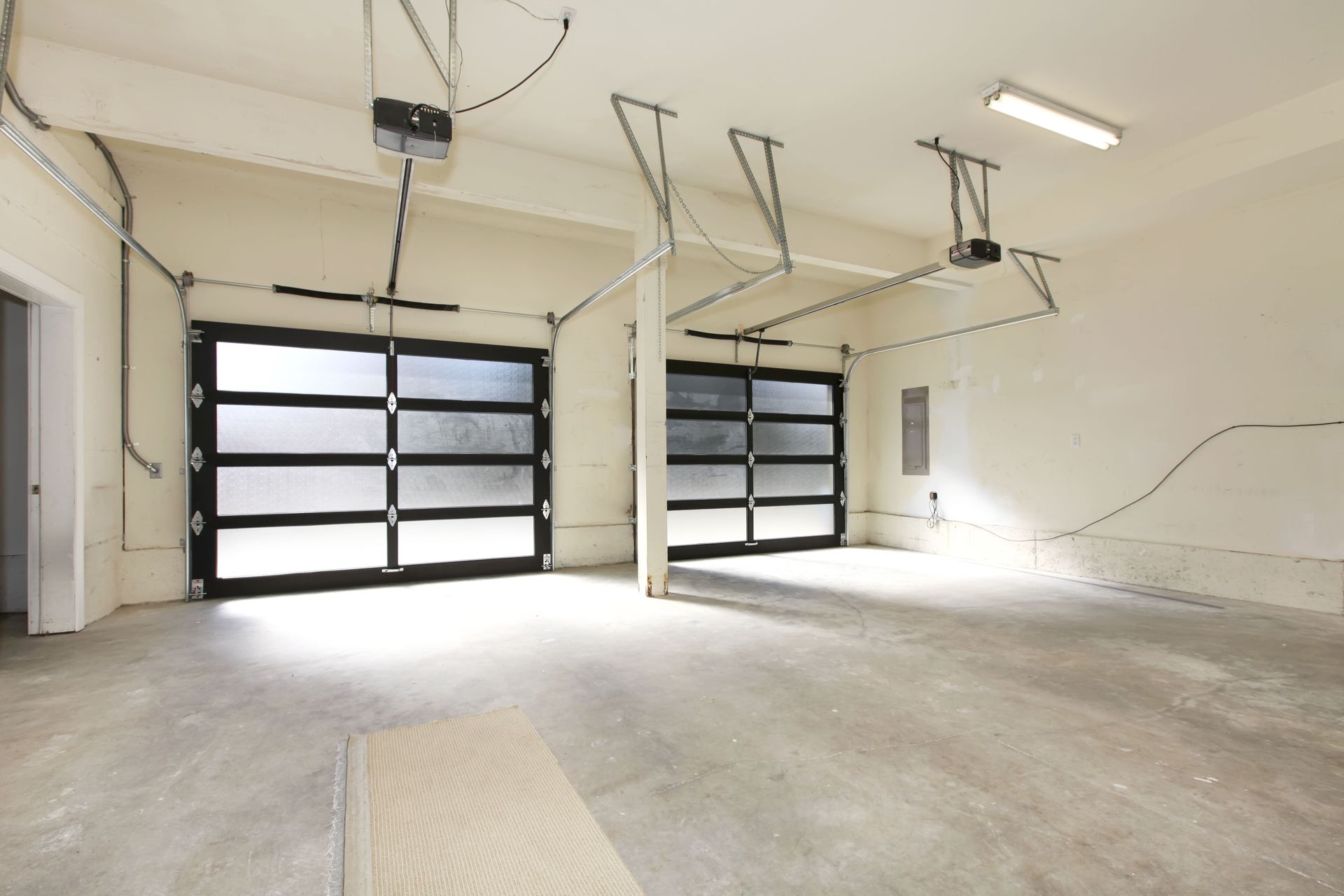
The heavy lifting of your garage door is not actually performed by your electric opener, but rather by the tightly wound springs mounted above the frame. Torsion springs act as the muscles of the entire system, counterbalancing the door panels' massive weight so they can move up and down smoothly. These specialized steel components are engineered and rated based on a highly specific total cycle life.
Standard residential springs are typically manufactured to last roughly 10,000 cycles before the metal becomes fatigued and snaps. If your family operates the door frequently throughout the day, you will exhaust that lifespan within fewer years than a household that only uses the garage for long-term storage.
To determine if your springs are losing their tension, perform these simple evaluation steps:
- Disconnect the opener: Pull the red emergency release cord while the door is completely closed to switch the system over to manual operation.
- Lift the door manually: Carefully raise the panels halfway up the vertical metal tracks by hand and release them slowly.
- Observe the balance: A perfectly balanced door will stay suspended or hover slightly, whereas a system with failing springs will immediately crash back to the ground.
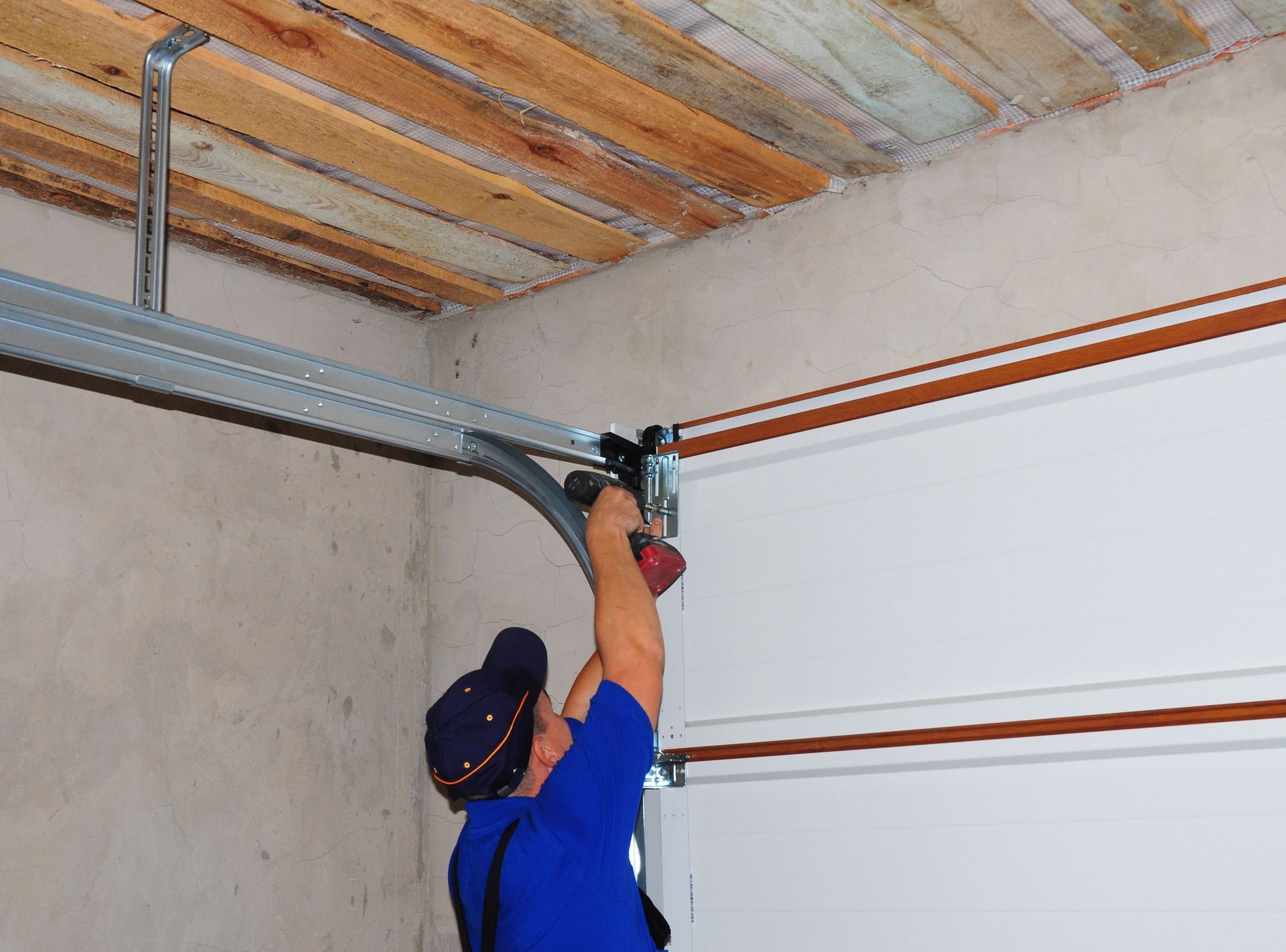
If your system fails this basic test, it is time to contact a professional local garage door service to safely replace the springs, as attempting to adjust these highly pressurized components yourself can result in severe personal injury.
Lubricating Moving Parts to Reduce Mechanical Friction
A standard garage door relies on an intricate network of metal hinges, steel rollers, track segments, and bearing plates to smoothly transition from a vertical to a horizontal position. When these parts are forced to run completely dry under heavy daily use, the resulting friction generates intense heat, loud grinding, and premature structural degradation.
Regular lubrication is the single most effective maintenance task a homeowner can perform to protect their system from everyday wear. You should spray a high-quality silicone or lithium-based lubricant onto the roller bearings, hinge pivot points, and spring coils at least twice a year. Avoid using standard penetrating oils, as these thin fluids actually attract abrasive dust and dirt that can lock up the bearings.
Consistently reducing friction ensures your electric opener does not have to work twice as hard to move the door, ultimately saving you money on electricity and preventing premature motor burnout. If you notice that parts continue to screech even after you apply a fresh coating of lubricant, scheduling an inspection with a qualified local garage door service is the best way to catch worn-out bearings before they seize completely.
Inspecting the Hardware for Loose Components
The intense vibrations generated by a massive garage door moving along metal tracks can slowly loosen the fastening hardware. Every single cycle sends minor shockwaves through the hinges, track brackets, and ceiling supports that hold the entire structure together. If a handful of these vital bolts or screws back out completely, the tracks can become misaligned, causing the door to bind, jam, or potentially fall off its rollers.
Homeowners who use their garages frequently should make it a habit to visually inspect all fastening hardware every few months. Use a standard wrench to gently tighten any loose nuts and bolts you encounter along the tracks and panel hinges, taking care not to over-tighten them and strip the underlying metal threads. Pay extra attention to the lifting cables that attach the bottom corners of the door to the overhead drums, looking closely for any signs of fraying, rust, or loose connections. Catching these minor hardware shifts early means you spend less money on emergency repairs down the road and prevent catastrophic structural failures.
Maintaining the Safety Sensors and Reverse Mechanisms
Every modern automatic garage door system is legally required to include advanced safety features designed to prevent the heavy panels from crushing people, pets, or vehicles. These features include a pair of photoelectric safety eyes mounted a few inches above the garage floor and an internal resistance sensor built directly into the opener motor. Frequent use increases the likelihood that these safety components will get bumped out of alignment, covered in household dust, or damaged by stray sporting equipment.
To keep your household completely safe, you should test both systems regularly using these simple diagnostic methods:
- Block the infrared beam: Place a solid object, such as a large cardboard box, directly between the two electronic safety eyes while the door is fully open. Press the wall button to close the door; the system should instantly refuse to move downward, and the opener lights will typically flash to signal a blockage.
- Test the mechanical reverse: Open the door completely and place a solid 2x4 flat on the ground directly beneath the center of the door path. Activate the closer button; when the bottom edge of the door strikes the wooden block, it must automatically reverse direction within 2 seconds or less.
- Clean the lenses gently: Wipe down the small glass lenses on your safety eyes with a soft cloth to remove dirt, cobwebs, and moisture that can interfere with the invisible light beam.
If either safety system fails to function perfectly during your monthly testing, you should immediately restrict usage and call a certified local garage door service to recalibrate the delicate electronic components.
Choosing the Right Professionals for Complex Care
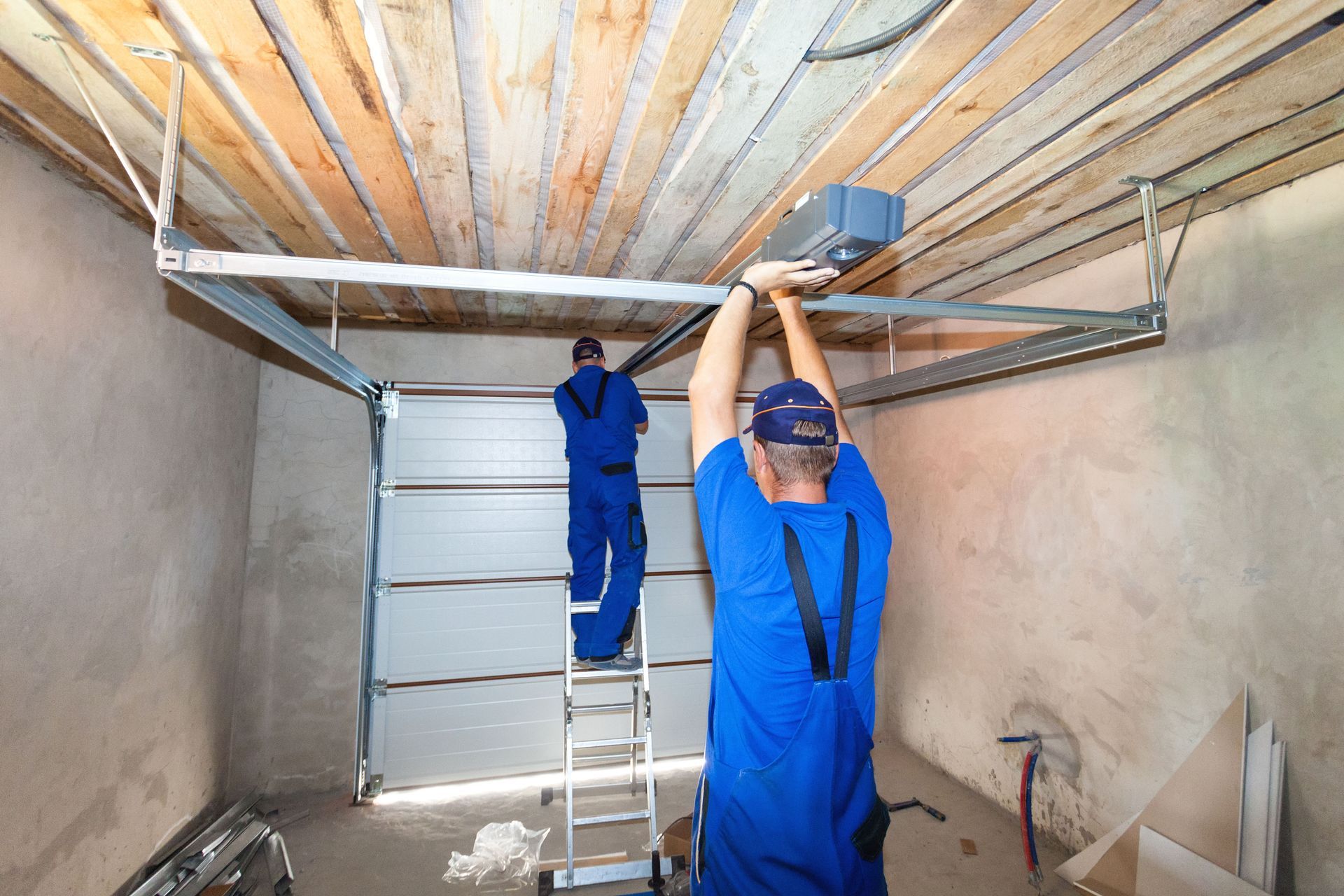
While executing basic lubrication and tightening loose bolts are excellent tasks for a proactive homeowner, a high-use garage door demands professional expertise for its most critical components. Tracking issues, cable replacements, opener replacements, and commercial-grade structural adjustments are highly technical tasks that require specialized tools and extensive training. Attempting to tear down or repair a malfunctioning door without the proper equipment can damage your property or void your manufacturer's warranty.
Partnering with an experienced
local garage door service ensures your system receives thorough diagnostics, certified replacement parts, and precise adjustments that meet industry safety standards. For expert maintenance, prompt repairs, and comprehensive residential care, contact Fred C. Johnson Co., INC.









Share On: