
Can an Insulated Garage Door Help Reduce Energy Loss?
Residential energy conservation continues to serve as an essential objective for homeowners who want to decrease monthly utility bills and limit their environmental impact. A primary component of the structural envelope that often receives inadequate consideration during whole-home efficiency evaluations is the garage entryway. Because a standard garage typically shares multiple walls and ceilings with heated living spaces, unconditioned airflow and extreme temperatures in this area can swiftly compromise the climate stability of adjacent rooms. Partnering with a professional garage door business allows property owners to thoroughly assess thermal boundaries and identify whether an insulated system represents the most effective path toward comprehensive energy conservation.
Upgrading to an insulated access system changes how residential spaces interact with severe weather conditions by creating a resilient barrier against outdoor climate swings. Beyond reducing the strain placed on internal heating and cooling equipment, an insulated system enhances structural rigidity and dampens external noise pollution from nearby traffic. A reliable garage door business provides the technical expertise required to ensure every perimeter tolerance and mechanical component works harmoniously, transforming an overlooked entryway into an asset for year-round energy retention. Homeowners who examine how heat moves through their spaces can make well-informed investments that yield sustainable, long-term returns.
Evaluating Thermal Efficiency and Structural Heat Loss
Thermal efficiency functions as a direct metric indicating how capably a building maintains indoor conditioned temperatures while repelling exterior fluctuations. Whenever outside temperatures drop during winter or soar during peak summer months, conductive surfaces constantly transfer energy from warmer zones into cooler zones. A conventional single-layer sheet metal barrier conducts these ambient temperatures almost immediately, effectively turning an attached garage into an uninsulated thermal sink. When cold air permeates the garage during freezing months, the walls separating it from interior hallways and overhead bedrooms absorb that chill, forcing residential HVAC systems to cycle continuously. Engaging an experienced garage door business ensures these vulnerabilities are properly diagnosed through professional on-site evaluation.
Minimizing this unwanted thermal exchange requires high-performance construction assemblies engineered with proven low thermal conductivity ratings. Building envelopes perform best when each structural component, from exterior siding to foundational entry points, works to halt thermal bridging and air leakage. Modern insulated overhead panels achieve this balance by sandwiching specialized core materials between heavy-gauge steel or composite outer skins. Professional technicians guarantee proper alignment during installation, eliminating micro-gaps that allow outdoor drafts to bypass door seals. By addressing structural heat loss at this critical perimeter threshold, properties experience consistent temperature management throughout the seasons.
Analyzing Core Materials and Polyurethane Innovations
The composition of internal insulation layers dictates the overarching thermal performance and structural integrity of modern garage systems. Manufacturers primarily employ expanded polystyrene boards or injected polyurethane foam cores to establish resistance against heat conduction. Polystyrene options involve solid panels fitted snugly into panel recesses, delivering respectable resistance against ambient shifts at an accessible entry price. In contrast, polyurethane manufacturing involves injecting dense liquid foam directly between inner and outer steel skins, which expands outward to bond the panel into a rigid, unified composite structure. A certified garage door business frequently recommends polyurethane configurations for connected living structures due to their exceptional density and elevated R-value per inch.
Dense foam cores eliminate interior air pockets while drastically improving the panel's resistance to everyday physical impacts, high wind pressures, and torsional stress. Injected polyurethane also provides integrated acoustic dampening, suppressing wind turbulence and street noise far more effectively than lightweight non-insulated alternatives. Professional technicians ensure that these heavy-duty assemblies are mounted with heavy-duty tracks, commercial-grade rollers, and precision-matched counterbalance springs. This comprehensive approach delivers structural longevity while providing the rigorous thermal resistance required to withstand harsh regional climates year after year.
Calculating Long-Term Financial Returns and Energy Savings
Investing in upgraded garage architecture involves calculating both immediate project expenditures and extended utility savings over time. Insulating your garage door, according to S&S Insider, enhances energy efficiency, although it costs an extra USD 1,037. This initial investment can be justified by the long-term reduction in energy costs. Building materials that support insulation can reduce the need for frequent HVAC system use, promoting eco-friendly living. Given the energy-saving potential of quality materials, insulated garage doors are poised to make meaningful contributions to modern homes. Consulting a dedicated garage door business enables property owners to estimate these operational returns accurately based on their home layout and climate zone.
Beyond direct monthly utility bill reductions, improved thermal stability prevents interior plumbing freezes and protects temperature-sensitive equipment stored inside the garage. Extreme heat or cold rapidly degrades vehicle batteries, power tool components, stored paint, and household appliances located in unconditioned spaces. Preserving a stable internal ambient temperature reduces mechanical wear on furnace blowers and air conditioning compressors throughout the home. Furthermore, modern insulated panels provide reinforced resistance against wind-driven denting and rust, which protects long-term curb appeal and resale valuation. The cumulative financial advantages of premium thermal panels routinely outweigh initial capital outlays across their operational lifespan.
Examining Perimeter Seals and Mechanical Weatherstripping
A heavy-duty insulated panel assembly cannot reach its stated thermal efficiency without precision perimeter sealing and mechanical weatherstripping systems. Air infiltration through exterior perimeters often accounts for a major share of total garage thermal transfer, allowing drafts to infiltrate around the header and side jambs. Commercial-grade bottom rubber gaskets and durable vinyl perimeter stops create an airtight seal against irregular concrete and structural framing when the door closes. A licensed garage door business plays a critical role in aligning these seals to block drafts without binding the door along its vertical track travels.
Perimeter weather seals must withstand continuous compression cycles, seasonal moisture exposure, and ultraviolet sun radiation without cracking or warping over time. Advanced installations feature heavy-duty EPDM bottom astragals that adapt effortlessly to slight dips in the concrete apron, preventing cold air, rain, and debris from penetrating beneath the door. Furthermore, integrated thermal breaks placed between the inner and outer panel faces stop conductive heat transfer from traveling through the metallic structure. Experienced service technicians ensure these complex seals remain precisely adjusted to safeguard home energy performance through every seasonal change.
Addressing Structural Alignment and Safety Calibrations
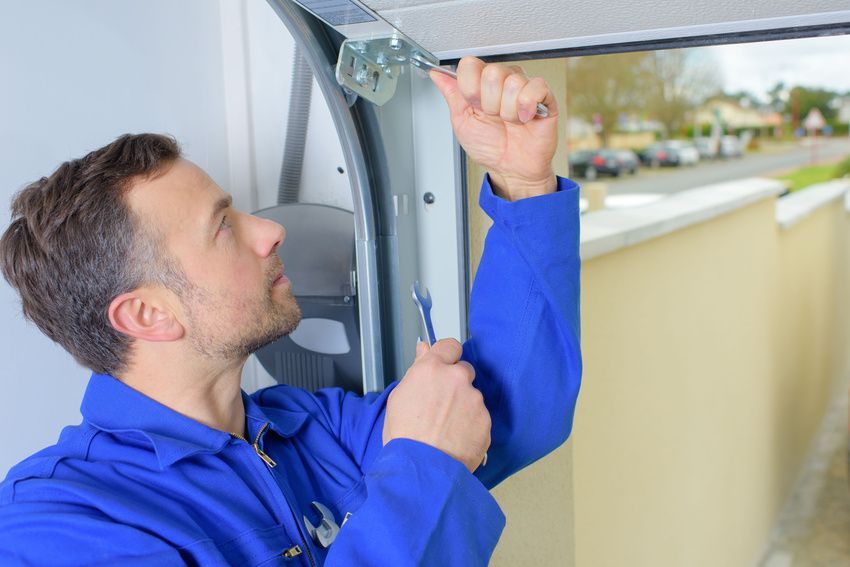
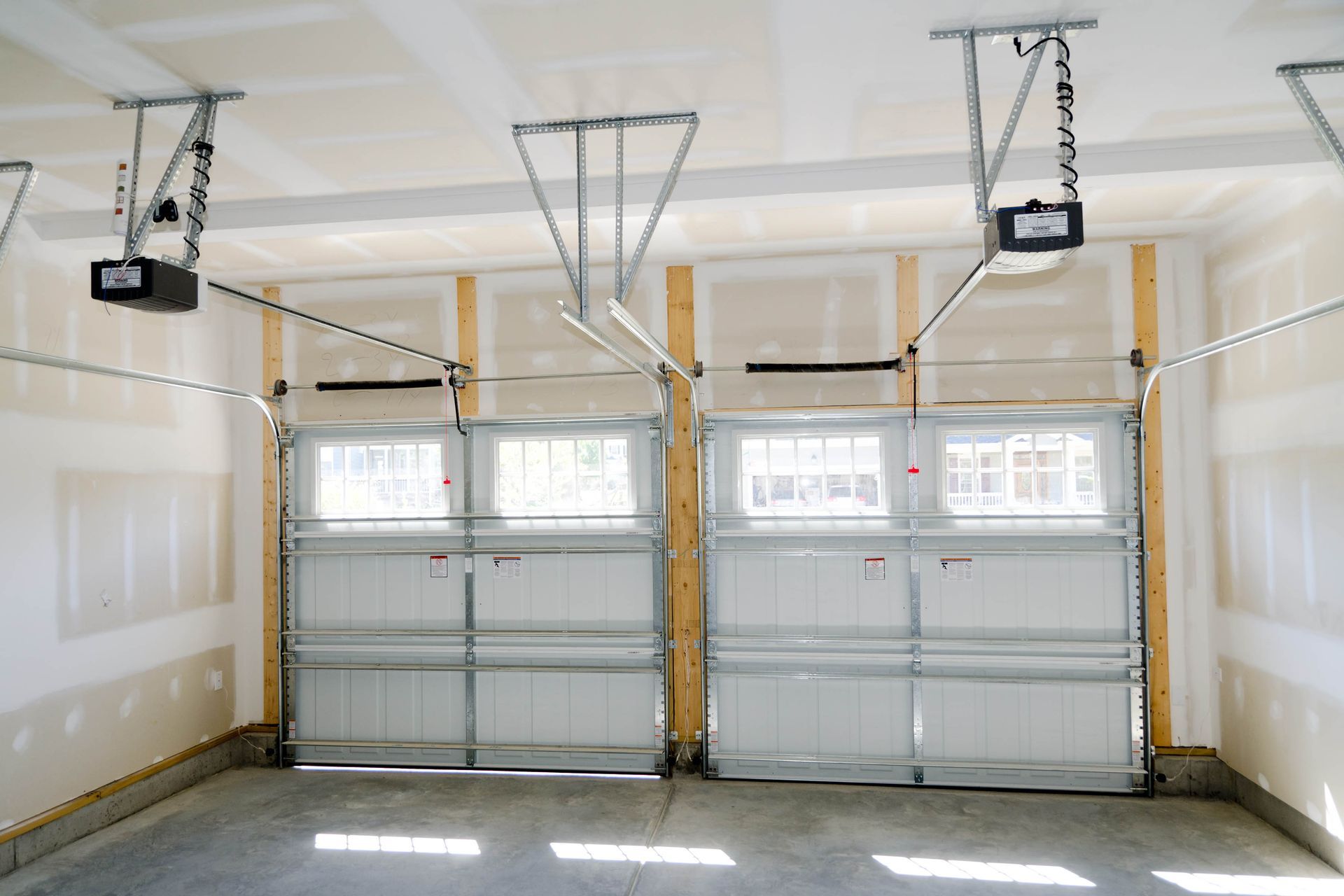
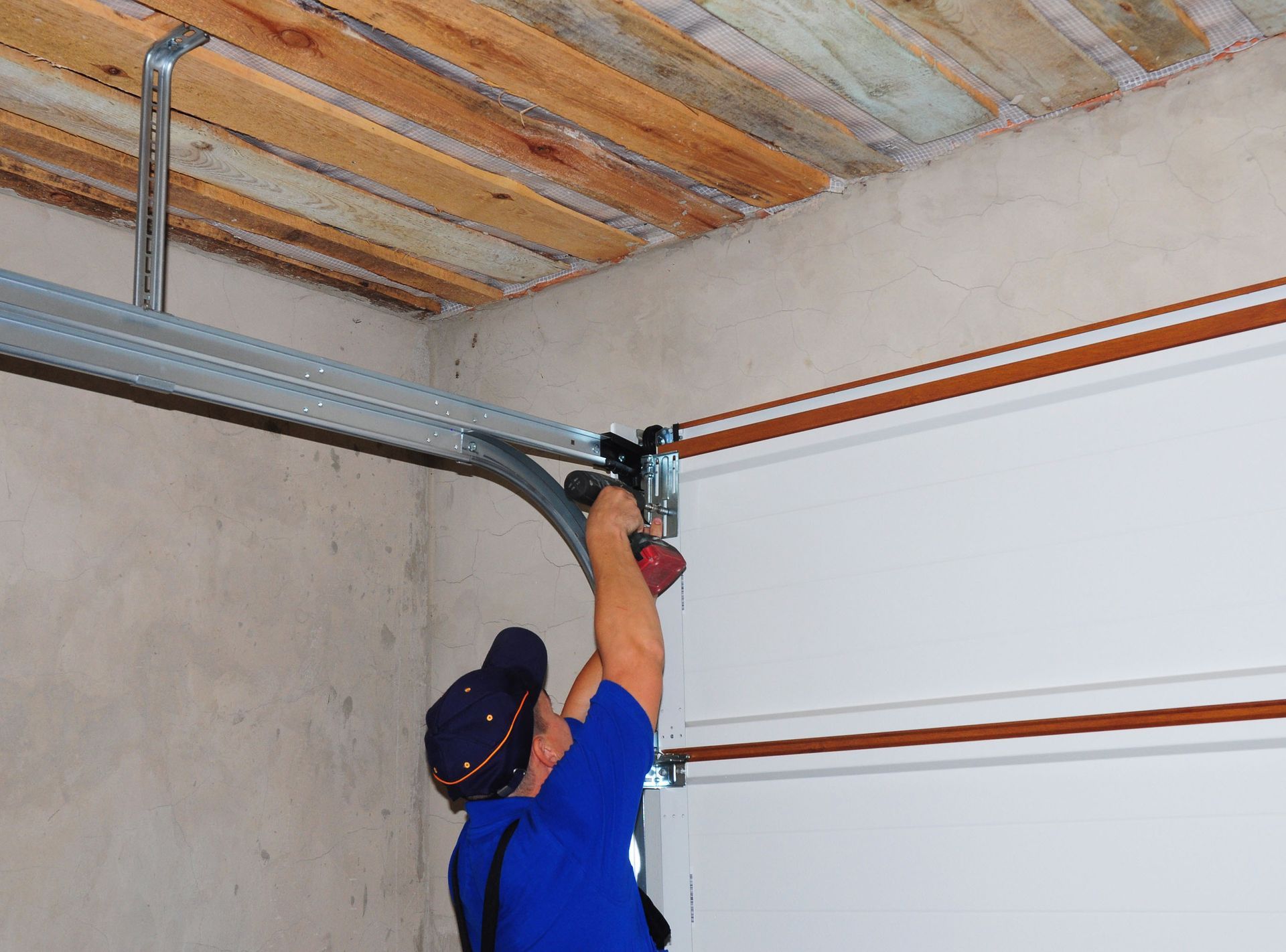
The added mass and altered weight distribution of high-efficiency insulated panels demand meticulous structural alignment and exact mechanical calibrations. Upgrading an entry system alters spring counterbalance requirements, necessitating heavier-duty torsion assemblies engineered to offset the door's exact weight. Attempting to run a newly insulated door on outdated springs can overload the electric opener, leading to rapid gear wear and dangerous operational imbalances. A seasoned garage door business conducts the calculations necessary to match commercial torsion springs, high-strength cables, and heavy-gauge track brackets to the precise physical specifications of the new panel assembly.
Professional calibration also involves dialing in opener force limits, testing photo-eye safety sensors, and setting mechanical travel boundaries to secure a reliable airtight seal every time the door closes. If tracks are misaligned by even a fraction of an inch, the door may fail to compress perimeter weatherstripping firmly against the jambs, leaving openings for air leaks and moisture intrusion. Trained technicians use precision levels, laser alignment tools, and calibrated tensioning equipment to ensure frictionless, quiet operation across thousands of continuous operational cycles. Proper mechanical balance guarantees that the door operates effortlessly while locking in the thermal performance homeowners expect from their investment.
Upgrading to an insulated entry system delivers measurable home energy conservation, elevated comfort for adjacent living spaces, and long-term protection for your structural envelope. Eliminating perimeter air infiltration and thermal bridging through your garage stops unnecessary HVAC cycling and modernizes the exterior architecture of your home. Choosing the right panels, internal insulation cores, and spring balances requires specialized industry equipment and technical expertise. Partnering with a qualified garage door business guarantees that your installation meets the highest performance benchmarks and delivers dependable thermal efficiency for decades to come.
Whether you are looking to replace an aging, drafty door or seeking to optimize the thermal envelope of your residence, working with seasoned specialists ensures lasting success. Contact Fred C Johnson Company today to schedule an expert home energy consultation and discover how a customized, high-performance insulated door installation can transform your property's efficiency.





Share On: